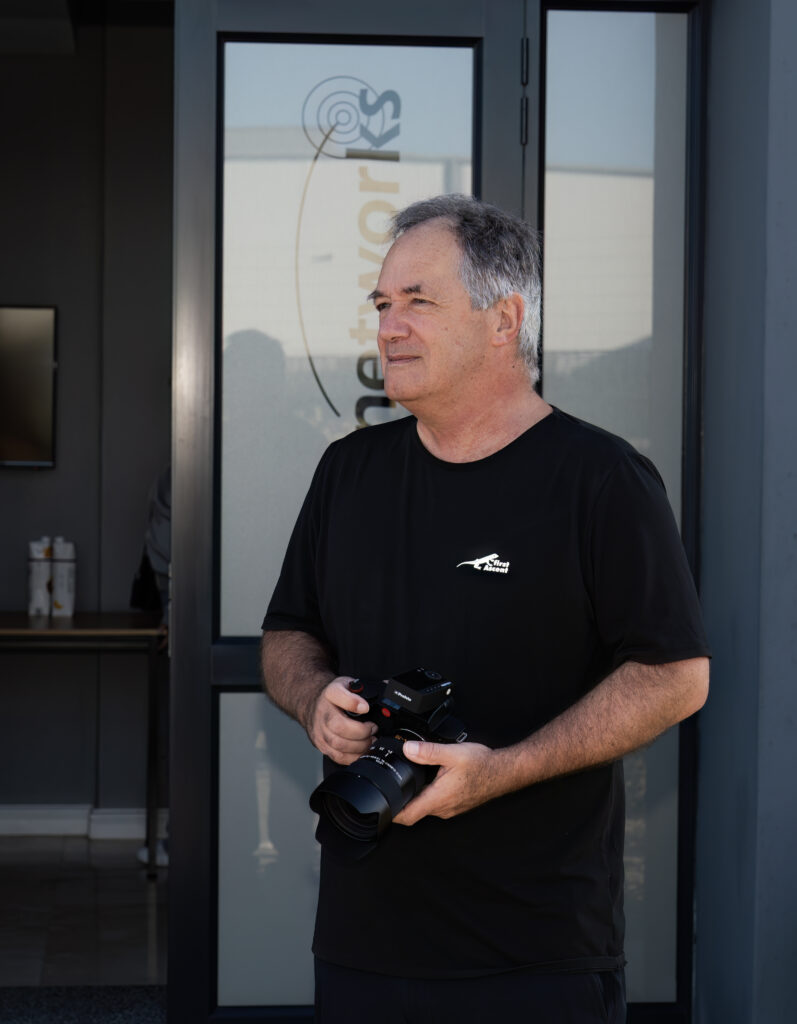
The right photographer should understand both the photographs you need and the business purpose behind them.
If you are wondering how to choose a corporate photographer, begin by looking beyond a few attractive portfolio images. The photographs may represent your business for several years across your website, LinkedIn, proposals, presentations, press releases and marketing material.
A corporate photographer should be able to create polished images, but that is only part of the job. They must also understand how to plan the session, work efficiently at your premises, guide people who may feel uncomfortable in front of the camera and deliver photographs that suit the way your business will use them.
Whether you need professional headshots, workplace photography, product images or event coverage, the following points can help you choose a photographer who is suited to your business and your project.
Begin with what your business actually needs
Corporate photography is a broad term. Before comparing photographers, prepare a simple list of what you need photographed and where the images will be used.
Your project may include:
- Individual staff headshots
- Leadership portraits
- Team or department photographs
- Employees working or interacting
- Business premises and interiors
- Products and packaging
- Corporate events and conferences
- Personal branding photographs
- Short-form product or business video
Some photographers specialise in one area, while others provide several related services. A photographer who creates excellent studio portraits may not necessarily have experience photographing a large conference, reflective products or employees working in a busy industrial environment.
A clear brief helps you find someone whose experience suits the actual assignment rather than simply choosing the portfolio you find most visually appealing.
Look for relevant experience, not only beautiful photographs
A strong portfolio should demonstrate more than technical skill. It should show that the photographer understands the kind of work your business requires.
When reviewing a portfolio, consider whether the photographer has experience with:
- Real employees rather than only professional models
- Individuals who may not enjoy being photographed
- Offices, factories, workshops or other working environments
- Consistent headshots across a complete team
- Product ranges requiring matching lighting and colour
- Fast-moving events with changing light and limited control
- Images intended for both websites and printed material
The photographer does not need to have worked in your exact industry. However, their work should give you confidence that they can adapt to your environment and understand the practical demands of the assignment.
Look at consistency across a complete project
A single standout photograph can attract attention, but businesses usually need more than one excellent image.
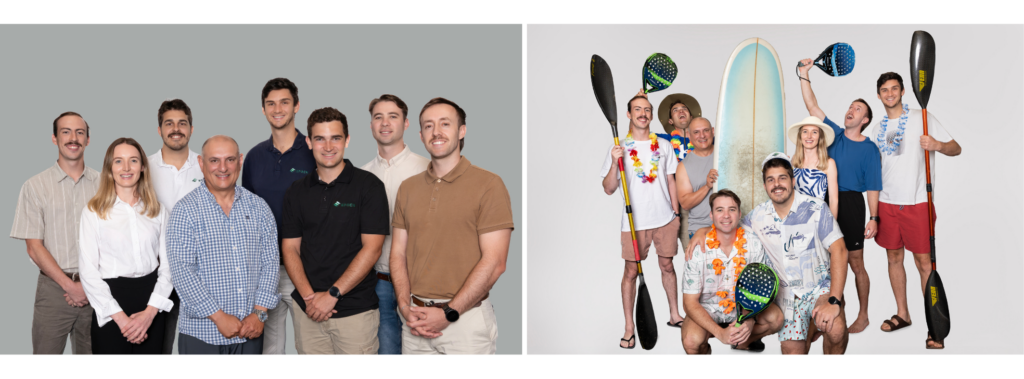
A headshot session may involve an entire team. Product photography may require a complete range to look consistent. Event coverage should tell the story of the full occasion rather than produce only a few dramatic highlights.
When possible, look at several images from the same project. Ask whether the photographer can maintain a consistent standard across:
- Different staff members
- Changing skin tones and clothing
- Several rooms or locations
- A complete product range
- Different stages of an event
- Horizontal and vertical compositions
Consistency is particularly important when the photographs will appear together on a website, staff page, catalogue or presentation.
 Ask how the photographer plans the session
A professional corporate photography session should begin before the camera is taken out of its case.
The photographer should ask questions about your business, the intended use of the images and the practical requirements of the day. Depending on the project, this may include:
- Who or what will be photographed
- Where the photographs will be used
- The required image orientation and crop
- Brand colours and visual style
- Staff availability and scheduling
- Location access and parking
- Clothing guidance
- Products, props or equipment that must be prepared
- Important people, moments or details that may not be missed
- Delivery dates and campaign deadlines
Good planning prevents misunderstandings and helps the photography session run efficiently. It also makes it easier to create photographs that fit your website or marketing layout instead of trying to make unsuitable images work afterwards.
Consider how the photographer works with people
Many employees, executives and business owners do not feel naturally comfortable in front of a camera.
A photographer may have excellent equipment and technical knowledge, but the way they communicate with people will have a considerable effect on the final photographs.
A good corporate photographer should be able to:
- Explain the process clearly
- Give calm, practical direction
- Help with posture and positioning
- Guide natural facial expressions
- Notice small details in clothing and hair
- Adapt to different personalities
- Work efficiently without making people feel rushed
The objective is not to force every person into the same pose. It is to create a consistent visual style while allowing each individual to appear natural, confident and recognisable.
Decide between studio and on-site photography
 The best location will depend on the number of people, the type of photographs required and the way the business operates.
Studio photography
A studio provides controlled lighting, a quiet environment and a consistent choice of backgrounds. It often works well for:
- Individual headshots
- Executive portraits
- Personal branding sessions
- Small teams
- People who require several outfits or looks
Staff members may also attend at different times when it is difficult to coordinate the entire team on one day.
On-site photography
Photographing at the workplace is often more practical for larger teams and businesses requiring several types of imagery.
The photographer can bring professional lighting and create a temporary headshot setup in a meeting room, office or other suitable space. The same visit may also include team photographs, employees at work, business interiors or environmental portraits when these have been included in the brief.
On-site photography can reduce staff travel and disruption while creating images that show the real people and environment behind the business.
Ask what is included in the quotation
Photography quotations can differ considerably, even when they appear to cover the same assignment.
A lower price may reflect a simpler service, fewer delivered photographs or less editing rather than better value. Before comparing quotations, check what each one includes.
Depending on the project, the quotation may need to explain:
- Photography time
- Setup and breakdown time
- Travel
- The number of photographers
- Assistants or additional equipment
- The number of final photographs
- Editing and retouching
- Additional-image costs
- Online gallery delivery
- Turnaround time
- Image usage
- Venue or location expenses
- Overtime or additional hours
Ask questions when something is unclear. A professional photographer should be willing to explain the quotation and help you understand what has been included.
Clarify editing and retouching
The term “edited photographs” can mean different things to different photographers and clients.
Standard editing may include adjustments to:
- Exposure
- Colour
- Contrast
- Cropping
- White balance
- Minor distractions
- Minor skin blemishes and clothing marks
More extensive retouching may involve detailed skin work, object removal, background changes, compositing or reshaping. These services may take considerably longer and may be charged separately.
It is helpful to discuss the level of retouching before the session, especially for large teams, products or images intended for advertising.
The photographs should remain professional and polished without creating unrealistic expectations about what is included in ordinary post-production.
Understand where the photographs may be used
Photography usage is often overlooked until an image is needed for something that was not part of the original brief.
Before booking, explain where your business expects to use the photographs. This may include:
- The company website
- Organic social media
- Email signatures
- Internal communication
- Proposals and presentations
- Press releases
- Annual reports
- Brochures and printed material
- Paid advertising
- Magazine or publication use
- Distribution to business partners or third parties
The photographer should explain the usage rights included in the quotation and whether additional permission or licensing may be required for broader advertising, publication or third-party use.
Clear terms protect both the client and the photographer and help prevent confusion later.
Check how the final files will be delivered
The delivery method should suit the people who will use the photographs.
A marketing team may need high-resolution files for print as well as smaller versions for web use. A website designer may require horizontal images with space for wording. A human-resources department may need each employee’s files clearly named.
Depending on the project, ask whether the photographer can provide:
- High-resolution files
- Web-sized files
- Horizontal and vertical images
- Square-friendly crops
- Consistent file naming
- Separate staff or product folders
- Images prepared for print
- A private online gallery
- Download access for authorised team members
It is far easier to discuss these requirements beforehand than to request multiple new file versions after delivery.
Look for professionalism behind the portfolio
The photographs are important, but so is the way the project is managed.
A professional corporate photographer should provide clear communication and dependable administration from the first enquiry to final delivery.
Look for signs such as:
- A written quotation
- Clear booking terms or a contract
- Realistic scheduling
- Prompt communication
- Essential equipment appropriate to the assignment
- Secure handling and storage of the images
- An organised selection or approval process
- Clear delivery dates
- Reviews or examples of previous client work
Unexpected circumstances can occur on any assignment. An experienced photographer should have a practical approach to managing problems without creating unnecessary stress for the client.
Choose someone who understands the purpose of the photographs
Corporate photographs are not created simply to decorate a website.
They should help potential clients understand who you are, what you do and what it may feel like to work with your business. They may need to build trust, support a marketing campaign, present a team consistently or show the quality of a product.
The photographer should therefore understand the purpose of the images as well as the visual style.
A technically impressive photograph is not particularly useful when it does not fit the available website space, represent the business accurately or communicate the intended message.
The right photographer will consider both the photograph and the job it needs to do.
Questions to ask before booking a corporate photographer
Have you photographed a project similar to ours?
How will you help us plan the session?
Can you photograph at our premises?
How do you work with people who dislike being photographed?
What is included in the quotation?
How many final photographs will we receive?
What editing and retouching are included?
Where may the photographs be used?
How and when will the files be delivered?
Can the photographic style be repeated when new staff join?
Frequently asked questions
What is the difference between corporate and commercial photography?
Corporate photography generally focuses on a company’s people, workplace, events and professional identity. Commercial photography is a broader term and may also include products, advertising campaigns and images created specifically to promote or sell goods and services. The two areas often overlap.
How far in advance should we book a corporate photographer?
The amount of notice required depends on the scale of the assignment, the number of people involved and your deadline. Larger team sessions, events and multi-location projects usually require more planning than an individual studio session. Early booking also allows time to coordinate staff, prepare products and confirm the photography brief.
Should we ask to see a full portfolio?
It is helpful to view several photographs from the same project where possible. This gives you a better indication of consistency than looking only at a photographer’s strongest individual images.
Can one photographer handle headshots, workplace photographs and products?
Some photographers offer several corporate photography services, while others specialise in one area. Share the complete brief beforehand so the photographer can confirm whether the assignment suits their experience, equipment and approach.
Do corporate photographs include usage rights?
Usage terms vary between photographers and projects. The quotation or agreement should explain where the delivered photographs may be used and whether additional permission is required for paid advertising, publication or distribution to third parties.
Is the cheapest corporate photography quotation the best value?
Not necessarily. Compare the full service rather than the final amount alone. One quotation may include planning, professional lighting, detailed editing, more final images and broader usage, while another may provide a more limited service. The best value is the option that meets your business needs clearly and reliably.
Choosing the right photographer for your business
Every corporate photography project is different. A successful session begins with understanding what needs to be photographed, how the images will be used and what will make the process easiest for the people involved.
At Emil Bosch Photography, we provide professional corporate photography for Cape Town businesses, including headshots, workplace photography, products and event coverage. We take the time to plan each assignment carefully and create polished images that support the way your business presents itself.