
You’ve booked your headshot. Excellent.
Then, usually somewhere between confirming the date and standing in front of the wardrobe, the questions begin.
What should I wear? Should I bring another jacket? What about my glasses? Do I need make-up? And — the one we hear more than almost anything else — what happens if I hate having my photograph taken?
The good news is that knowing how to prepare for a professional headshot really isn’t complicated.
At Emil Bosch Photography, we photograph professional headshots in our Blouberg studio and on location at businesses throughout Cape Town. Years behind cameras have taught us that most people do not need more instructions before a session. They need fewer things to worry about.
Here is what is genuinely worth thinking about — and what you can safely leave to us.
 Tell us what the photograph is for
A LinkedIn headshot has a slightly different job from an executive portrait for an annual report.
You may need your photograph for a company website, speaker profile, media feature, proposal or several of these at once. Knowing where the image will be used helps us plan the crop, background, clothing and overall feel of the portrait.
If your company already has a particular headshot style, send us an example beforehand. We would much rather study it before the session than stand in your boardroom trying to reverse-engineer somebody else’s lighting from a tiny photograph on a website.
Preparation is part of what you are booking us for.
What should you wear for a professional headshot?
Wear something that looks like you at work on a good day.
Not you at a wedding. Not you gardening on Sunday. And probably not the outfit somebody on Pinterest has declared compulsory for all professional people.
Your clothing should suit your profession and the way clients or colleagues normally see you. A lawyer, architect, chef and creative director do not need to dress alike simply because they all need headshots.
A few things generally photograph well:
- Clothes that fit comfortably and sit properly when you move
- Solid colours or relatively simple patterns
- Jackets and blazers that fit well across the shoulders
- Jewellery and accessories you normally wear
- Clothing you genuinely feel comfortable in
Very fine patterns can sometimes behave strangely on camera, while large logos have a habit of becoming the most enthusiastic person in the photograph.
If you are unsure, bring an alternative. A second shirt, blouse or jacket can create useful variety without requiring enough luggage for a Mediterranean cruise.
What about hair, grooming and make-up?
Prepare much as you would for an important meeting.
Style your hair in a way that feels familiar. If you are planning a haircut or colour, doing it a few days before the session gives you time to settle into it. The night before a headshot is rarely the ideal moment to discover an exciting new fringe.
Hair has a remarkable ability to behave perfectly until a camera appears. If yours is prone to static or flyaway strands, a small amount of your usual styling product can help keep it under control. Nothing stiff or overly styled — just enough to persuade the more independent strands to cooperate.
Facial hair should feel familiar too. If you normally wear a beard or moustache, keep it neatly groomed. The aim is not to create a temporary version of you who disappears the following morning.
Professional make-up is optional, not essential. If you normally wear make-up, choose something natural and familiar. For a professional headshot, a polished daytime look usually works better than heavier evening make-up. The photograph should look like you at work on a good day, not you on your way to a formal dinner.
If a blemish appears on the morning of your session, don’t feel that you need to cover it with heavier make-up. Our retouching is natural, and temporary blemishes can be removed while keeping you looking like yourself.
Good lighting helps too — fortunately, that part is ours to worry about.
Should you wear your glasses?
If you normally wear glasses, wear them.
We would rather photograph the person your clients are actually going to meet. Reflections can happen, but we manage those through lighting, position and small adjustments during the session.
If you regularly alternate between two pairs, bring both. Glasses can change the character of a portrait more than you might expect.
Give your glasses a quick clean before the session too.
Do you need to know how to pose?
No.
Please don’t spend the night before practising complicated chin manoeuvres in the bathroom mirror.
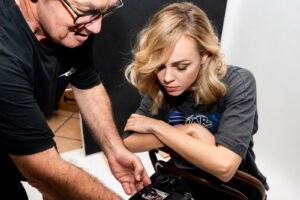
You are not expected to know how to pose. That is our job.
Small adjustments to your shoulders, posture, head position and expression can completely change a photograph. We guide you through those details as we work.
Sometimes we move you. Sometimes we move the light. Sometimes we move ourselves. Occasionally we make a terrible joke and get exactly the expression we were after.
You do not need to perform.
What if you hate having your photograph taken?
You are in very good company.
Many people tell us they dislike being photographed, usually within the first five minutes. Quite often, those same people later struggle to choose between several photographs they like.
Being comfortable in front of a camera is not a requirement for a good professional headshot. You do not need to know what to do with your shoulders, where to look or how to produce a convincing smile on command.
We talk to you, guide you and make small adjustments as we go. We also photograph different expressions rather than deciding beforehand that you are officially a “smiling person” or a “serious person”.
A serious expression can look confident and composed. It can also look as though somebody has cancelled your lunch. Very often, the best expression is somewhere in between.
What should you bring?
For most headshot sessions, not very much.
Useful items may include:
- A second clothing option
- An additional jacket or blazer
- A comb or hairbrush and a small amount of your usual styling product
- Another pair of glasses
- Anything you normally use for quick grooming adjustments
You do not need to practise poses or memorise a special smile. Natural expressions usually appear once you stop trying to manufacture them.
 Studio or on location?
Our Blouberg studio is ideal for individuals and smaller groups. We control the lighting and background and have time to work through different expressions and, depending on your package, different looks.
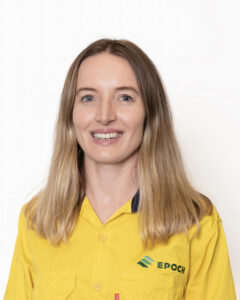
For larger teams, it often makes more sense for us to come to you. We bring the professional lighting and equipment required for the agreed setup and photograph staff according to a planned schedule.
Before an on-location session, we consider the available space, background, lighting and style required. When necessary, we also review reference photographs or existing company headshots.
You should be able to trust that we will arrive knowing what we are there to create. You should not have to manage the photography session for us.
What happens after the session?
Your selected photographs are professionally edited, with the aim of keeping you looking like yourself.
Stray hairs, small clothing distractions and other temporary details can be tidied where appropriate. More extensive retouching can be discussed separately if required.
The finished photograph should look polished, confident and professional. It should also still look like the person who will arrive at the meeting.
A little preparation really is enough
Wear something that feels right. Bring an alternative if you’re unsure. Tell us what the photograph is for.
Then show up.
We will guide the posing, watch the details and help you settle into the session.
At Emil Bosch Photography, we create professional headshots for individuals and teams in our Blouberg studio and on location throughout Cape Town.
We take the photography seriously.
The session itself should feel more like a conversation than a disciplinary hearing.